
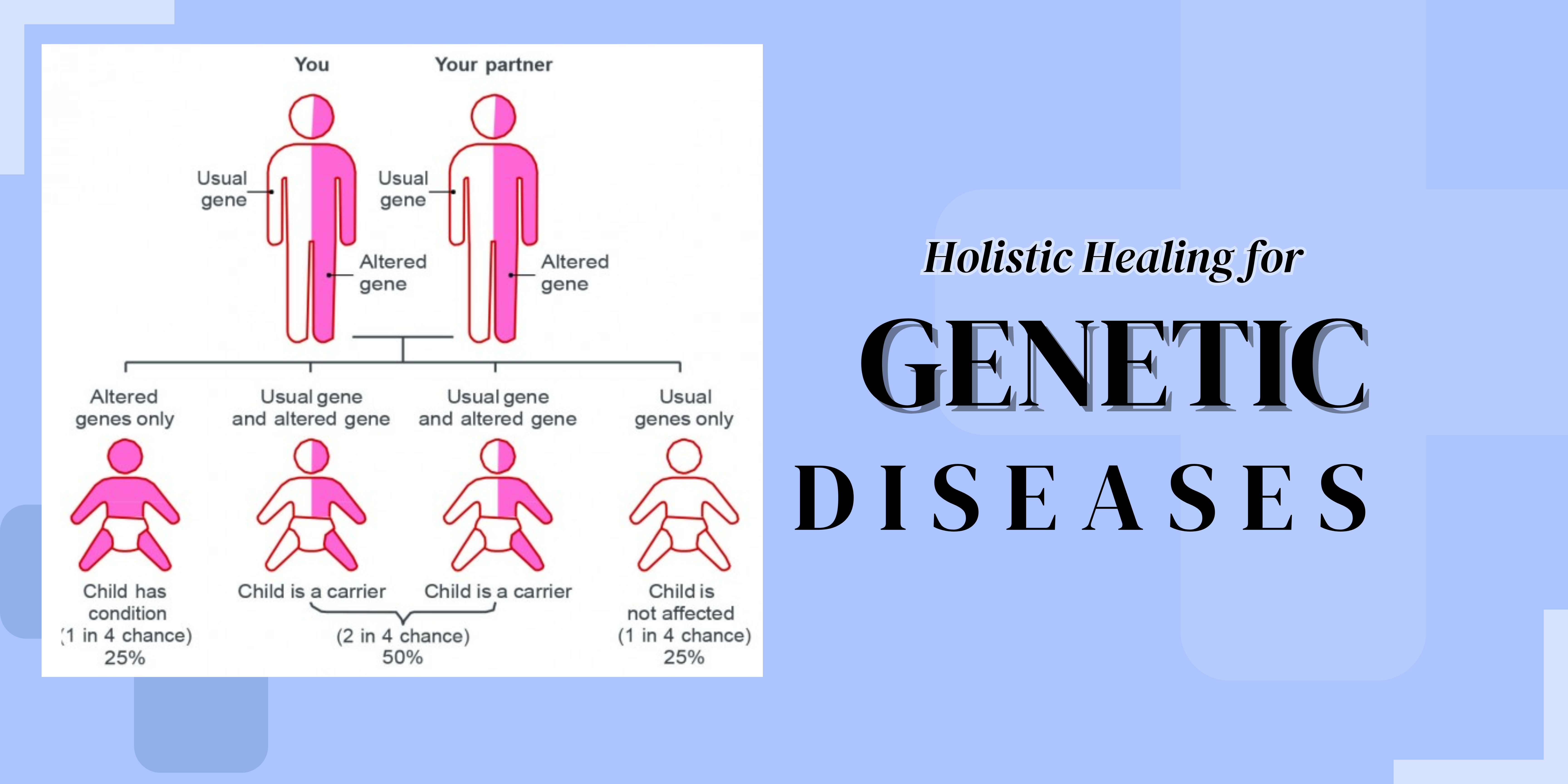
Genetic Diseases
Genetic diseases arise from anomalies in an individual’s DNA, which can lead to various conditions, including metabolic disorders, chromosomal abnormalities, and inherited syndromes. While conventional medicine often focuses on managing symptoms, homeopathy provides an individualized approach aimed at stimulating the body’s self-healing mechanisms.
Understanding Genetic Diseases
Genetic diseases are caused by mutations or alterations in genes, which may be inherited or occur spontaneously. These conditions can impact multiple body systems, leading to chronic health challenges. Common examples include Down syndrome, cystic fibrosis, hemophilia, and muscular dystrophy.
Homeopathic Approach to Genetic Diseases
Homeopathy offers a unique treatment paradigm by addressing the individual’s constitution, genetic predispositions, and environmental factors. The homeopathic approach is grounded in the principles of “like cures like” and personalized care, meaning that treatments are tailored to the patient’s specific genetic and symptomatic profile.
Key Homeopathic Principles in Genetic Disease Management
Constitutional Remedies: Homeopathy emphasizes understanding the individual’s overall constitution, including physical, mental, and emotional states. Remedies like Calcarea Carbonica, Lycopodium, and Natrum Muriaticum are often considered based on the patient’s unique presentation.
Miasmatic Approach: This approach looks at inherited disease tendencies and their impact on the present condition. Homeopathic miasms—psora, sycosis, syphilis, and tubercular—help guide the selection of remedies based on ancestral disease patterns.
Genetic Modulation: Homeopathy aims to influence gene expression through subtle, energetic interventions. Remedies are thought to work at an epigenetic level, influencing how genes manifest and mitigating the severity of genetic disorders.
Holistic Management: Homeopathy addresses the patient as a whole rather than focusing solely on genetic mutations. It includes lifestyle modifications, dietary adjustments, and managing emotional and psychological aspects associated with chronic genetic conditions.
Clinical Evidence and Efficacy
Evidence on the effectiveness of homeopathy in genetic diseases is evolving, with clinical studies and case reports indicating potential benefits. Homeopathic treatment may improve overall well-being, reduce symptom severity, and enhance the quality of life in patients with genetic disorders, although more rigorous research is needed to establish clear evidence.
Case Studies
- Down Syndrome: Homeopathic remedies like Baryta Carbonica and Calcarea Phosphorica have been used to address developmental delays and immune support in children with Down syndrome.
- Cystic Fibrosis: Remedies such as Antimonium Tartaricum and Phosphorus are utilized to manage respiratory symptoms and improve lung function.
- Muscular Dystrophy: Treatments are tailored to muscular and emotional symptoms, often involving remedies like Causticum and Gelsemium.
Challenges and Future Directions
The complexity of genetic diseases poses challenges for homeopathic intervention. Future research should focus on controlled trials, genetic studies, and integration with genomic data to better understand how homeopathy can impact gene expression and disease outcomes.
Conclusion
Homeopathy offers a promising, patient-centered approach to managing genetic diseases by focusing on the whole individual rather than just the genetic defect. While it cannot alter the genetic code, it can modulate symptoms, improve quality of life, and provide holistic support, emphasizing the importance of individualized care in genetic conditions.
List of Genetic Diseases from A-Z
A-C
- Aagenaes syndrome
- Aarskog-Scott syndrome
- Achondrogenesis
- Achondroplasia
- Albinism
- Angelman syndrome
- Anencephaly
- Ataxia-telangiectasia
- Bartter syndrome
- Beta thalassemia
- Cystic fibrosis
- Charcot-Marie-Tooth disease
- CHARGE syndrome
- Cleft lip/palate
- Congenital adrenal hyperplasia
- Congenital heart defects
- Congenital muscular dystrophy
- Cri-du-chat syndrome
D-F
- Down syndrome
- Duchenne muscular dystrophy
- Edwards syndrome
- Fanconi anemia
- Fragile X syndrome
G-H
- Gaucher disease
- Hemophilia
- Huntington’s disease
- Hypophosphatasia
I-K
- Klinefelter syndrome
L-M
- Lesch-Nyhan syndrome
- Marfan syndrome
- Maple syrup urine disease
- Mendelson syndrome
- Mitochondrial diseases
- Mucopolysaccharidosis
N-P
- Neurofibromatosis
- Phenylketonuria (PKU)
- Polycystic kidney disease
- Prader-Willi syndrome
- Progeria
S-T
- Sickle cell anemia
- Spina bifida
- Tay-Sachs disease
- Thalassemias
- Turner syndrome
W-Z
- Williams syndrome
- Wilson disease
- Xeroderma pigmentosum
- Zollinger-Ellison syndrome